Modern office work demands long hours in front of screens, limited movement and repetitive positions. Over time, these habits create adhesions in the muscles and fascia. Desk workers in particular develop tightness across the neck, upper back, hips and forearms, which often leads to pain, stiffness and reduced mobility.
Adhesion release methods have become one of the most effective solutions for reversing the physical impact of prolonged sitting. By breaking down the restrictions that form between muscle layers, individuals can restore healthier movement patterns, reduce chronic pain and undo years of postural stress.
This article explores the most effective adhesion release approaches, why desk workers are prone to these issues and how to determine the right method for your body.
Why Desk Workers Develop Adhesions
Adhesions occur when connective tissues bind together in unhealthy ways. This happens most often due to long periods of:
- Sitting with rounded shoulders
- Forward head posture
- Minimal rotation or full range movement
- Repetitive typing and mouse work
- Static hip flexion
Over time, the fascia becomes sticky and muscles lose their ability to glide. The body begins compensating with poor posture, shallow breathing and altered movement patterns.
Common adhesion hot spots for desk workers
|
Body Area |
Why It Tightens |
Typical Symptoms |
| Neck and traps | Forward head posture | Stiffness, headaches |
| Upper back | Rounded shoulders | Mid back burning, fatigue |
| Hip flexors | Constant seated position | Low back pain, anterior tilt |
| Forearms | Repetitive typing | Wrist pain, reduced grip |
|
Chest |
Slouched posture |
Restricted breathing |
Understanding where adhesions form is the first step to choosing the most appropriate release method.
The Most Effective Adhesion Release Methods for Desk Workers
Below is a breakdown of the techniques commonly used to address postural adhesions. These are supported by musculoskeletal experts and often used in clinical practice.
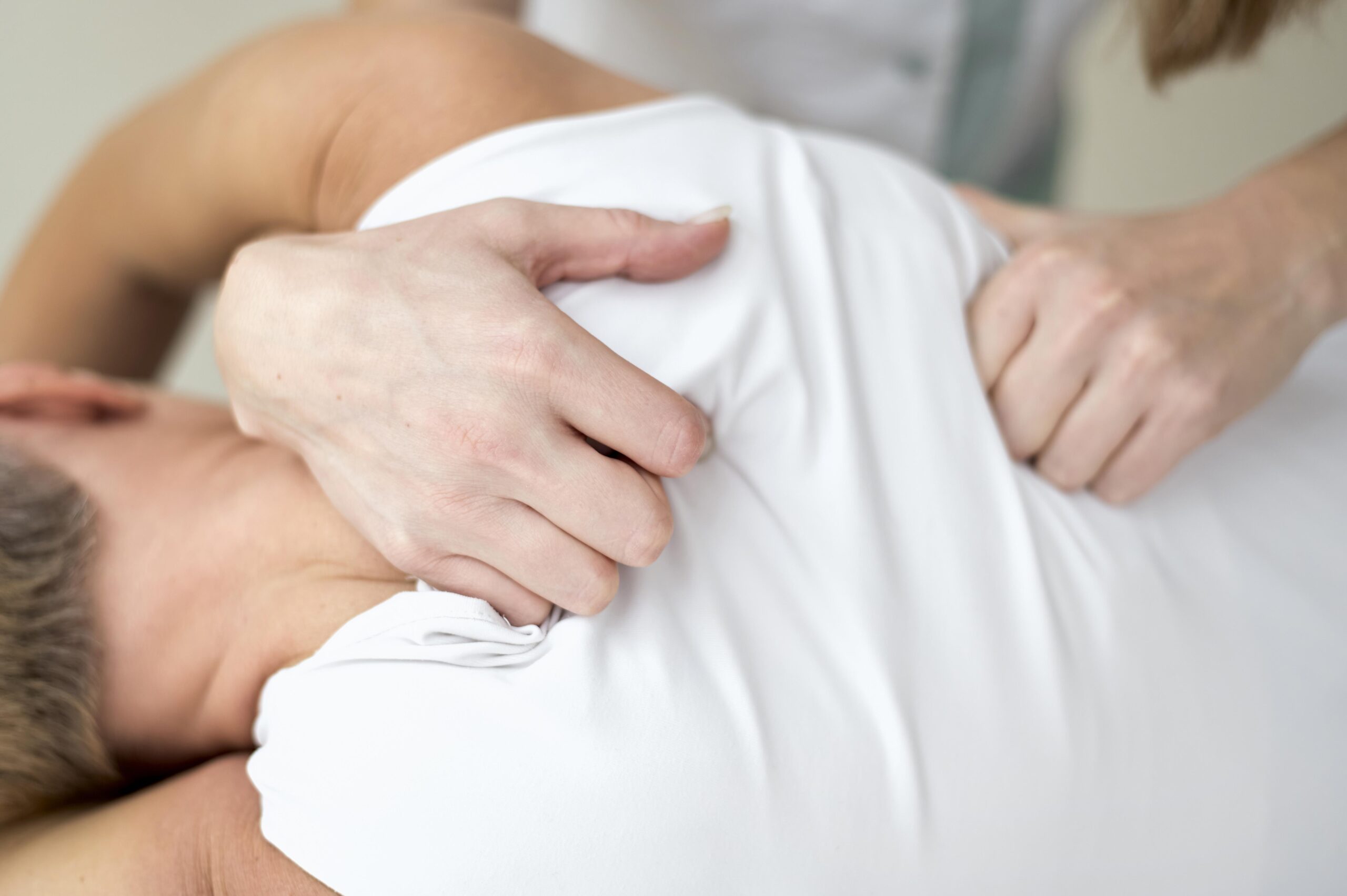
1. Manual Adhesion Release
This technique involves a practitioner using precise pressure to break up layers of stuck tissue. The goal is to restore normal slide and glide between muscle fibres.
Best for:
• Chronic stiffness
• Limited rotation
• Pain that feels “deep inside”
• Long term postural imbalance
How it helps desk workers:
Manual release targets structural restrictions created by years of static positions. Many people experience immediate increases in mobility after treatment.
2. Instrument Assisted Soft Tissue Mobilisation (IASTM)
IASTM uses specialised tools to detect and release adhesions. The tools allow for highly focused work on scarred or thickened fascia.
Top benefits:
• Faster results than hands alone
• Excellent for the forearms and neck
• Breaks up micro adhesions from repetitive typing
Why it works:
Desk work produces micro trauma in the same tissues repeatedly. IASTM helps remodel these fibres so movement feels smoother and less painful.
3. Active Release Techniques
Active Release involves the practitioner holding pressure on an adhesion while the client moves through a specific range of motion.
Ideal for:
• Hip flexor tightness
• Shoulder restrictions
• People who sit for 6 to 10 hours per day
What makes it unique:
Movement during treatment helps re-pattern dysfunctional muscles. This is essential for desk workers who need both release and functional improvement.
4. Fascial Stretch Therapy
This method focuses on stretching the fascia rather than just muscles. It uses traction, gentle movement and breathwork.
Key advantages:
• Reduces nerve tension caused by poor posture
• Improves circulation
• Helps restore space in compressed joints
Notable for desk workers:
The spine and hips benefit significantly, especially for those who experience stiffness from long days at the computer.
5. Trigger Point Therapy
Trigger points are tight knots that refer pain to other areas. Desk workers often develop them in the trapezius, levator scapula and forearms.
Typical relief includes:
• Reduced headaches
• Better shoulder mobility
• Relief from “deep ache” sensations
This method is highly effective when combined with postural retraining.
How to Know Which Adhesion Release Method You Need
Choosing the right method depends on the symptoms you experience. Below is a quick reference table.
| Symptom | Recommended Method |
Why |
| Deep muscular tightness | Manual Adhesion Release | Breaks down deeper layers |
| Repetitive strain aches | IASTM | Targets micro adhesions |
| Hip and shoulder mobility issues | Active Release | Integrates movement |
| Full body stiffness from sitting | Fascial Stretch Therapy | Restores joint space |
| Localised knots and headaches | Trigger Point Therapy | Reduces referred pain |
You may benefit from a combination of methods depending on your posture habits.
How Adhesion Release Improves Overall Function
Desk workers often experience long term benefits, including:
- Better posture4Increased mobility
- Reduction in chronic pain
- Stronger mind body awareness
- Less fatigue at the end of the day
- Fewer tension headaches
- Improved circulation
These improvements occur because adhesion release restores healthy movement patterns and reduces compensations created by years of desk work.
Expert Insight: Why Adhesion Release Should Be Paired with Habit Changes
Expert chiropractors in Mississauga emphasise that release methods alone will not correct posture permanently. The body requires new habits such as:
- Standing each hour
- Strengthening weak postural muscles
- Adjusting workstation ergonomics
- Gentle daily mobility exercises
Without these changes, adhesions can reform over time. A combined approach offers the best long term results.